BioBoost Pro
Project Description
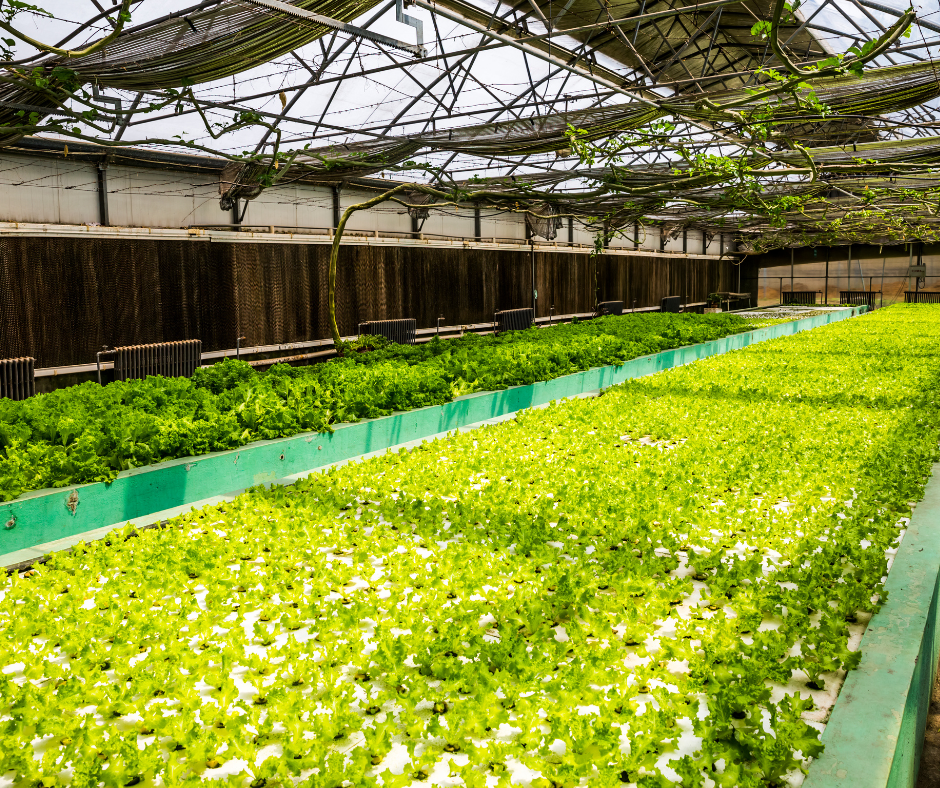
BIOBOOST-PRO is an Interreg North-West Europe project aiming to transform agriculture by promoting bioponics : a sustainable soilless cultivation method that uses organic fertilizers derived from manure.
Today’s linear farming model leads to significant nitrogen (N) and phosphorus (P) losses and increases dependence on imported fertilizers. BIOBOOST-PRO offers a circular alternative.
Through pilot sites, a practical toolkit for farmers, robust business models and tailored training schemes, the project demonstrates that recycling nutrients from manure can support healthy crops, reduce pollution and strengthen food system resilience across North-West Europe.
By bringing together researchers, growers and policy makers, BIOBOOST-PRO accelerates the transition toward a circular, resource-efficient and environmentally friendly agricultural model.
Co-funded by
Origin of the Project
The BIOBOOST-PRO project was born from a simple observation: in conventional agriculture, a large share of the nutrients contained in manure is lost, while Europe remains heavily dependent on imported nitrogen and phosphorus. This inefficiency weakens soils, increases pollution and limits farmers’ autonomy.
To address this challenge, a transnational consortium chose to demonstrate the potential of bioponics, a method that turns manure into a local resource for sustainable crop fertilisation. BIOBOOST-PRO aligns with the European ambition to build a more circular, resilient and environmentally respectful economy.
Project Objectives
BIOBOOST-PRO aims to demonstrate that bioponics, based on the use of organic fertilizers produced from manure, can become a concrete solution for circular agriculture in North-West Europe.
The project seeks to reduce nitrogen and phosphorus losses, limit dependence on imports and maximise the use of locally available nutrients.
Its actions focus on three main areas:
-
testing and optimising pilot systems,
-
developing practical tools and robust business models for farmers,
-
training growers, suppliers and policymakers to support widespread adoption of the approach.
Results
Subscribe to the newsletter to receive project updates.
Partners